Cassette / Duct AC Inspection Visit & Checkup
A cassette or duct AC inspection is a diagnostic visit for ceiling-mounted cassette units or concealed ducted cooling systems. It helps homeowners understand poor cooling, water leakage, unusual noise or uneven airflow before deciding whether an AC repair service is needed. This visit focuses on checking the system, not deep cleaning, refrigerant refilling or completing repairs.
Overview
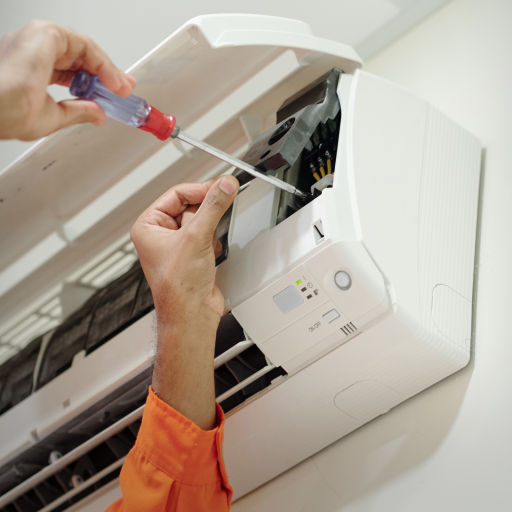
Ceiling cassette ACs distribute air through outlets around a ceiling panel, while ducted systems carry cooled air through concealed ducts to room grilles. Their location can make faults harder to identify than on an exposed indoor unit. An inspection typically considers the indoor unit, accessible outdoor equipment, controls and drainage. For homeowners considering cassette AC repair, diagnosis helps separate symptoms that may need cleaning from those requiring electrical, drainage or mechanical attention.
Weak cooling does not automatically mean the system needs refrigerant. Restricted filters, blocked airflow, incorrect settings, outdoor heat rejection problems or component faults can produce similar symptoms. With ducted ACs, one warm room may also point to an airflow distribution issue rather than a failure of the entire system. Checks should follow the symptoms and accessible equipment, with any further testing explained before deciding whether additional work is appropriate for the system.
This listing is for an inspection visit and checkup, not a cleaning or repair package. Ceiling access, concealed pipe routes and the position of the outdoor unit can affect what can be examined during a visit. Tell Service Basket whether you have a cassette or ducted system, how many units need checking and what has changed. The price is shared when you enquire or after inspection, depending on the scope requiring assessment.
Common signs
- Weak cooling from ceiling outlets
- Water dripping around cassette panels
- Uneven airflow between ducted rooms
- Unusual noise during operation
- Repeated shutdowns or displayed error codes
What's included
- Cooling symptom assessment
- Accessible indoor unit observations
- Control and operating checks
- Visible drainage condition review
- Accessible airflow restriction assessment
- Discussion of findings and next steps
What's not included
- Deep cleaning or pressure washing
- Refrigerant refilling and leak repairs
- Replacement parts, duct alterations or ceiling work
Pricing factors
- The number of cassette or ducted units affects inspection scope.
- Ceiling height and service hatch access influence assessment requirements.
- Concealed faults may require additional diagnostic work.
- The price is shared on enquiry or after inspection.
Before your visit
- Keep the remote or wired controller available.
- Clear furniture below the existing ceiling access hatch.
- Note which rooms cool poorly and when.
- Avoid running a leaking unit near electrical fittings.
Why choose Service Basket
- Service Basket accepts website, phone and WhatsApp bookings.
- Customers can select a preferred date and time slot.
- Service areas include Agra, Mathura, Firozabad, Ahmedabad and Gandhinagar.
How the visit works
- 1
Share system details
Describe the cassette or ducted setup, affected rooms, error messages and leakage history so the inspection request reflects the actual symptoms.
- 2
Arrange access
Identify the existing service hatch and outdoor unit location, mentioning any locked terrace access or obstructions before choosing your preferred appointment slot.
- 3
Review operation
Typical checks compare reported symptoms with controller settings, airflow and visible equipment condition, provided operating the system is safe during the visit.
- 4
Assess accessible areas
Accessible filters, drainage components and connections may be examined; hidden ducts or pipework can require separate access arrangements for a fuller assessment.
- 5
Discuss further work
Ask which findings need attention, whether more testing is necessary and what any recommended work would cost before agreeing to proceed further.
Next steps
Before committing to cassette AC repair or ducted system work, book an inspection to understand the symptoms and possible next steps. Contact Service Basket through the website booking form, phone or WhatsApp, share your system details and choose a preferred date and time slot. Ask for the inspection price when enquiring.
Frequently asked questions
Does a cassette checkup include deep cleaning?
No. This listing focuses on inspection and diagnosis rather than deep cleaning. Dirty filters or coils may be identified as possible contributors to weak cooling, but thorough washing is separate work. Ask what accessible checks are covered and discuss any cleaning recommendation before arranging it.
Can you assess one warm room in a ducted home?
An inspection can assess accessible airflow and controls related to the affected room. Uneven cooling may involve a restricted grille, duct leakage, damper position or other system conditions. Concealed duct sections cannot always be examined through existing openings, so further access or testing may be needed.
Why is water dripping from my ceiling cassette?
Possible causes include a blocked drain, a condensate pump problem or condensation around inadequately insulated parts. The source needs assessment rather than assuming refrigerant is low. Avoid using the unit if water is reaching electrical fittings, and describe where the dripping appears when booking.
Will the inspection require opening my false ceiling?
Existing service hatches may allow access to important components without disturbing ceiling panels. However, concealed drainage, connections or duct sections might remain out of reach. Mention your access arrangement beforehand, and do not cut the ceiling yourself; any required opening should be discussed separately.
Should I request refrigerant refilling for weak cooling?
Not without diagnosis. Poor airflow, dirty heat exchange surfaces and electrical faults can also reduce cooling. Refrigerant checks, where appropriate, need interpretation alongside operating conditions rather than a pressure reading alone. If a leak is suspected, discuss investigation and repair before deciding on refilling.