
2 Ton Split AC Gas Refilling
2 ton split AC gas refilling restores the correct refrigerant charge in a two-ton split air conditioner when a refrigerant shortage is confirmed. It suits homeowners facing weak cooling or icing linked to low refrigerant. A check should establish the cause first, because dirty filters, restricted airflow and electrical faults can cause similar symptoms.
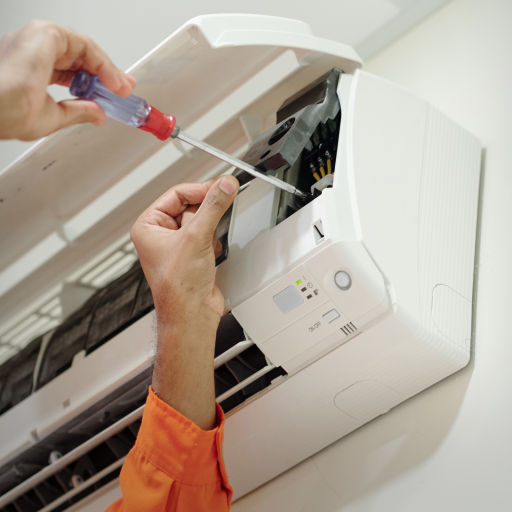
Overview
A two-ton split AC transfers heat through refrigerant circulating between its indoor and outdoor units. The refrigerant is not normally consumed during cooling, so a low charge can indicate leakage or an earlier charging issue. Refilling should follow diagnosis rather than become a routine seasonal task. Adding refrigerant without addressing a leak may provide only temporary improvement and leave the underlying problem unresolved. Cooling performance alone cannot establish the amount needed.
Capacity does not determine the refrigerant type or exact charging quantity. Two-ton models can use different refrigerants, and the equipment label and manufacturer instructions guide selection. Pipe length may also affect the specified charge. Mixing refrigerants or estimating the quantity from room size is unsuitable. A technician typically considers the model, operating conditions and charge specification rather than relying on a single pressure reading. Refrigerant handling is not a homeowner maintenance task.
This page concerns refrigerant replenishment for a two-ton split system, not a window unit or a smaller-capacity appliance. It is also different from washing coils, fitting a new AC or repairing its electronic board. Those jobs may solve separate faults but do not replace refrigerant diagnosis. The checklist below describes a typical refilling workflow; confirm the actual work, any leak repair and separate charges when enquiring with Service Basket before approving the job.
Common signs
- Weak cooling with a suspected refrigerant shortage.
- Ice forming on pipes or the indoor coil.
- Oily traces near refrigerant pipe joints.
- Cooling declining again after an earlier refill.
- Refrigerant lost during a confirmed pipe leak.
What's included
- Checking the two-ton model specification.
- Identifying the specified refrigerant.
- Assessing symptoms and operating conditions.
- Checking for suspected leakage points.
- Charging according to equipment requirements.
- Reviewing cooling operation after charging.
What's not included
- Leak repairs unless separately agreed.
- Replacement coils, pipes or electrical components.
- Deep cleaning, installation or relocation work.
Pricing factors
- Price is shared when you enquire or after inspection.
- Refrigerant type and required quantity can affect cost.
- Leak location and repair needs influence the scope.
- Outdoor unit access can affect the work involved.
Before your visit
- Keep the model label and previous repair details available.
- Clear access around both units without climbing outside.
- Do not loosen valves or attempt DIY refrigerant charging.
- Report recurring icing or declining cooling after the work.
Why choose Service Basket
- Service Basket offers website, phone and WhatsApp booking.
- Customers can select a preferred date and time slot.
- Service areas include Agra, Mathura, Firozabad, Ahmedabad and Gandhinagar.
How the visit works
- 1
Share appliance details
Provide the model, capacity and cooling symptoms when enquiring, including any recent refill, pipe damage or repair history that could help explain refrigerant loss.
- 2
Check the cause
The initial assessment should distinguish refrigerant shortage from airflow restrictions, dirty coils or electrical problems before deciding whether charging is an appropriate next step.
- 3
Agree on necessary work
Discuss suspected leaks, access limitations and any separate repairs before proceeding, and ask what the quoted scope covers for your particular two-ton unit.
- 4
Prepare and recharge
Depending on the circuit condition, appropriate work may involve leak repair, testing and evacuation before adding the specified refrigerant using suitable charging equipment.
- 5
Review operation
After charging, operating checks typically assess cooling and system behaviour; ask what was found and whether further attention is needed for any remaining symptoms.
Next steps
For 2 ton split AC gas refilling, start by sharing your appliance details and symptoms with Service Basket. Use the website booking form, call or WhatsApp, and select your preferred date and time slot. Ask for pricing and confirm the refilling scope and any separate repairs before proceeding.
Frequently asked questions
Does a two-ton split AC need gas every summer?
No. Its refrigerant circulates in a closed circuit and should not need seasonal replenishment under normal conditions. If cooling drops each summer, check filters, coils and airflow as well as refrigerant condition. Repeated shortages call for investigation of leakage rather than repeated refilling alone.
How much refrigerant does my two-ton unit need?
There is no single quantity for every two-ton split AC. The manufacturer specifies the charge for the model, sometimes with adjustments for refrigerant pipe length. The technician should use that information and the circuit condition to determine the required amount, rather than estimating from capacity alone.
Can different refrigerant types be mixed?
No. The refrigerant specified for your two-ton split system should be identified from its label or technical documentation. Different refrigerants have different operating characteristics and equipment requirements. If the existing refrigerant is uncertain or contaminated, discuss the appropriate corrective procedure before any new charge is added.
Will refilling stop ice on the indoor coil?
Only if low refrigerant is the relevant cause and any underlying leakage is addressed. Restricted airflow, dirty filters or blower problems can also produce icing. A two-ton unit showing ice needs diagnosis first; adding gas without identifying the fault may not resolve the symptom.
Can refilling proceed if a leak is found?
The leak should be assessed and the repair requirements discussed before charging. Depending on its location, repair may involve a joint, pipe or coil and fall outside the refilling scope. Ask whether leak testing, repair and any necessary evacuation are covered in the proposed work.